
Respiratory Simulation Trainers for Pulmonary Education
Specialized simulation models designed to teach and practice essential respiratory care and airway management procedures. Perfect for building competency in ventilation techniques, intubation, and pulmonary assessment skills.
What are Respiratory Simulation Trainers?
Respiratory simulation trainers are specialized medical training devices designed to replicate human pulmonary physiology and airway anatomy. These tools provide hands-on experience in essential respiratory care procedures, allowing healthcare students and professionals to practice ventilation techniques, intubation, and airway management in a safe, controlled environment before working with real patients.
Available Respiratory Simulation Trainers
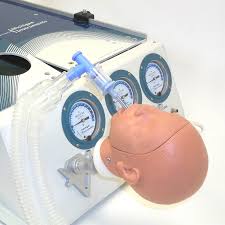
Lung Model Simulator
Simulates realistic lung compliance and airway resistance for comprehensive ventilation training with adjustable settings.
Request Quote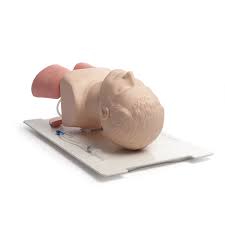
Airway Management Trainer
Practice intubation and airway device insertion with high-fidelity anatomical features and realistic tissue texture.
Request Quote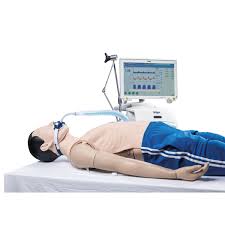
Ventilation Feedback Simulator
Provides real-time feedback on ventilation quality, technique, and effectiveness with detailed metrics.
Request QuoteCPAP/BiPAP Training System
Complete training system for non-invasive ventilation techniques with adjustable pressure settings.
Request QuotePediatric Respiratory Trainer
Specialized simulator for pediatric and neonatal respiratory care with age-appropriate anatomy.
Request Quote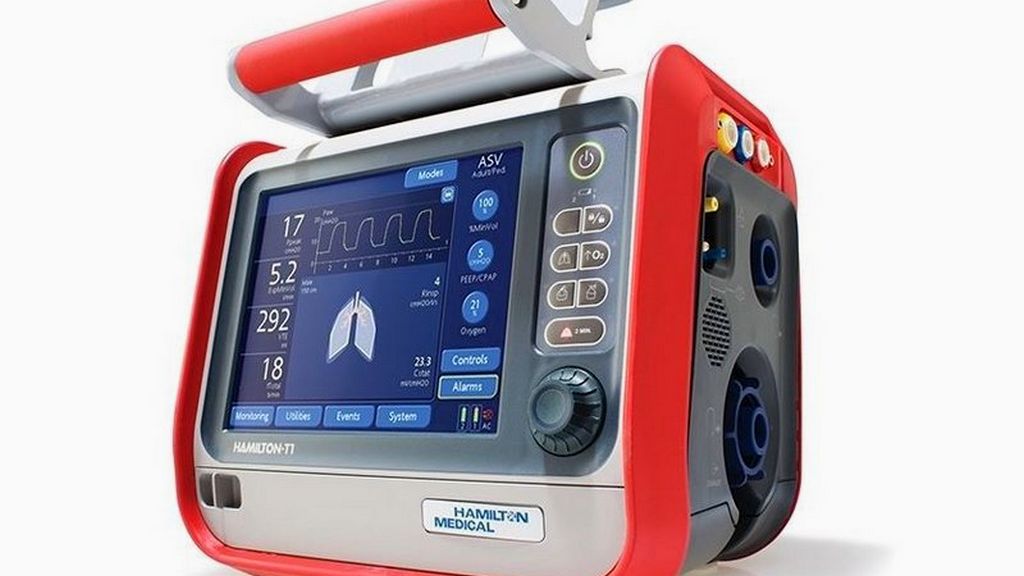
Portable Ventilation Trainer
Compact, transportable ventilation training device ideal for field training and mobile education.
Request QuoteComprehensive Respiratory Care Training
Respiratory simulation training is essential for healthcare education, providing hands-on experience in critical pulmonary care procedures. These trainers bridge the gap between theoretical knowledge and clinical application, allowing students to develop proficiency in airway management, ventilation techniques, and respiratory assessment before working with actual patients.
Key Benefits:
- Safe Learning Environment: Practice high-risk procedures without risk to patients
- Immediate Feedback: Real-time assessment of technique and effectiveness
- Repetitive Practice: Unlimited opportunities to perfect skills
- Pathology Simulation: Train for various respiratory conditions (COPD, asthma, ARDS)
- Standardized Training: Consistent learning experience for all students
- Cost-Effective: Reusable trainers reduce consumable costs compared to traditional methods
Training Applications:
- Bag-valve-mask ventilation techniques
- Endotracheal intubation (oral and nasal)
- Laryngeal mask airway insertion
- Tracheostomy care and management
- Chest physiotherapy techniques
- Oxygen therapy administration
- Mechanical ventilation management
- Respiratory assessment and auscultation
Medical simulation in respiratory care is particularly valuable for developing muscle memory and procedural confidence. The tactile feedback from realistic airway models helps trainees develop the delicate touch required for successful intubation and airway management. The ability to simulate various respiratory pathologies allows educators to create comprehensive clinical scenarios that challenge students to apply their knowledge and skills in realistic situations.